The Season of Denial
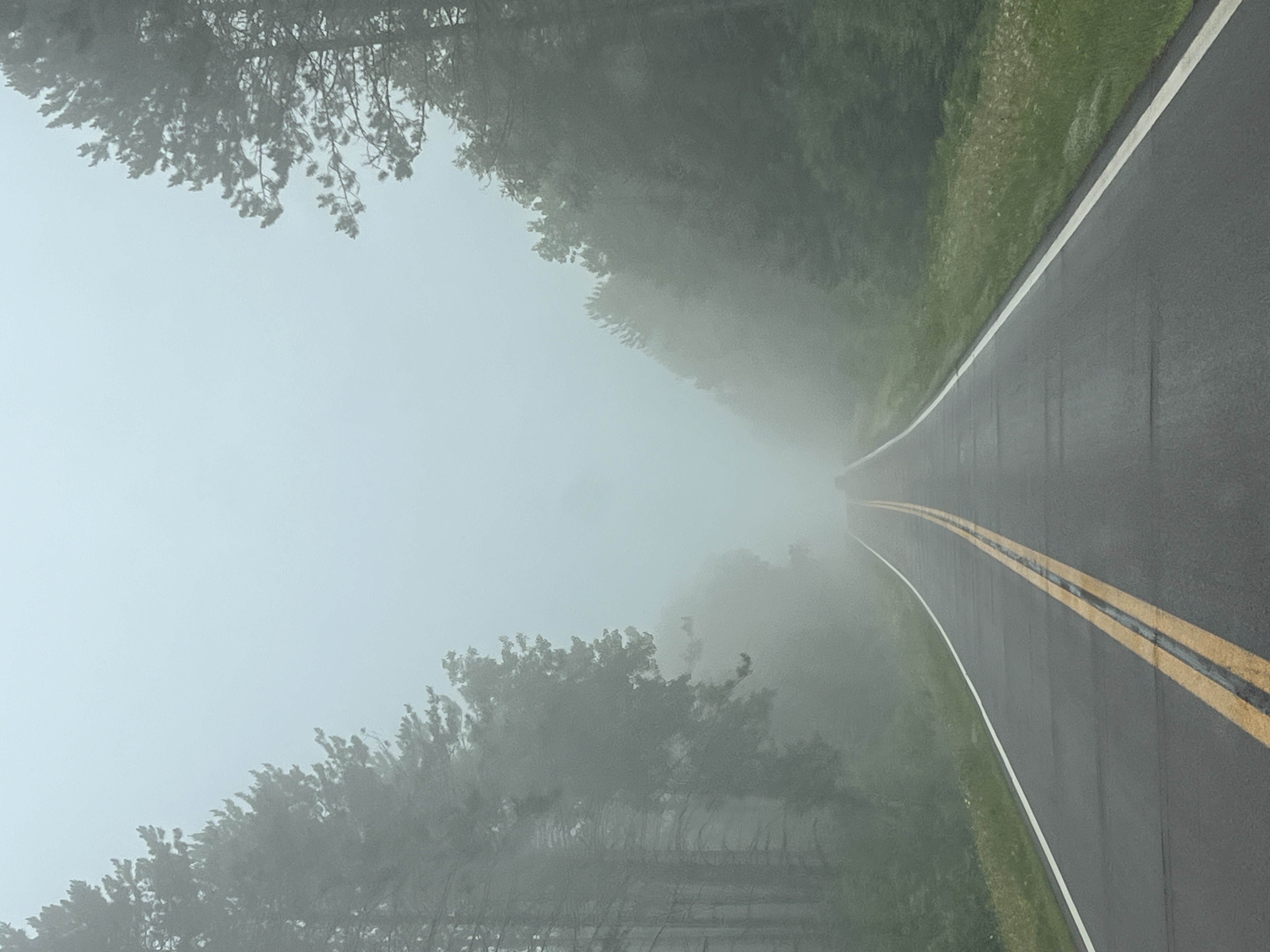
August in the north is deceptive. The evenings still feel endless, the lake is busy, the town is full. You can convince yourself that summer has settled in for good. But anyone who lives here knows better. The light has already started to slip. Loons gather. Nights come quicker. September waits just beyond the treeline.
We pretend not to notice. It’s human nature to stretch the season, to soak in the ease, to avoid naming what’s coming. That’s why August is the month of denial. It’s comfortable to believe we can hold the day in place by refusing to look at the clock.
I see the same instinct in our institutions—locally and beyond. When systems are creaking, too many leaders look the other way. They keep to the routines of comfort: the same meetings, the same talking points, the same nods around the table. Habit stands in for judgment. Process stands in for courage. Admitting that the cracks are widening would require action—and action carries risk.
Here is the core of it—the line I want us to sit with:
The ritual itself becomes more important than the opportunity in front of us.
That kind of rigid thinking keeps us from being flexible. It prevents innovation. It stops us from meeting the moment and rising to the occasion our community deserves.
You can see it on the shoreline every year. Someone pulls their boat out at the end of August because that’s when they’ve always done it—even if September turns out flat-calm and golden. The ritual becomes the point. The reality, the opportunity right in front of us—those become background noise.
In civic life, the same pattern shows up. Familiar procedures persist not because they’re effective, but because they’re familiar. People say, “That’s how it’s been done,” even when it isn’t written anywhere, even when the “rule” is just a habit preserved by those who’ve been around the longest. Tradition has value. But when it’s used to keep new voices out or to delay necessary change, it stops being stewardship and becomes avoidance.
Life up here doesn’t allow much room for avoidance. The lake and the wind don’t care what we planned. You prepare, or you get caught flat-footed. You stack the wood. You check the roof. You pull the dock when you must—not because the calendar says so, but because the conditions do. If we can apply that same common sense to our governance, we’ll be better off.
So what does that look like?
Open the circle. Make room for new perspectives before decisions are a foregone conclusion. If a process isn’t written down, stop pretending it’s unchangeable. Write it—or improve it.
Name the cracks. Transparency isn’t a buzzword; it’s the minimum. If something’s not working, say so in public. Denial today is a bill that comes due tomorrow.
Choose outcomes over rituals. Ask in every meeting: is this practice serving people, or are people serving the practice? If it’s the latter, change it.
Risk a little comfort. Courage isn’t dramatic most days. It’s the steady willingness to trade a bit of personal ease for the community’s long-term good.
August will always tempt us to pretend. The days are pretty. The crowds are lively. It’s easy to believe we’ve got more time than we do. But the north teaches a simple lesson: the season turns whether we acknowledge it or not. The only choice we get is whether to meet it prepared.
This isn’t a call for recklessness. It’s a call for responsibility—the kind that starts with telling the truth about where we are and what we owe each other. Communities don’t thrive on autopilot. They thrive when leaders—formal and informal—refuse to hide behind process and instead own the outcomes that affect real people’s lives.
We will lose the light. We always do. But we don’t have to lose our nerve, or our sense, or our commitment to each other. If we can stop mistaking ritual for virtue, we can use what remains of August to do what it’s for: get ready, together.
When the wind shifts and the days shorten, no one wishes they’d argued harder for a rigid calendar. We wish we’d made space for the right voices, told the truth earlier, and acted while the water was still calm.
The light is slipping. Let’s use what remains of it wisely.